Dušan Králik developed his artistic vision while studying relief sculpture under Prof. Rudolf Pribiš at the Academy of Fine Arts in Bratislava from 1961 to 1967. He burst onto the art scene with extraordinary vigor in 1968, when he successfully presented his work at the Danuvius 68 International Biennial of Young Artists. Even then, he stood out as a distinctive and original figure—his authentic artistic expression appealed not only to the international jury but also to the prominent art theorist Jindřich Chalupecký.
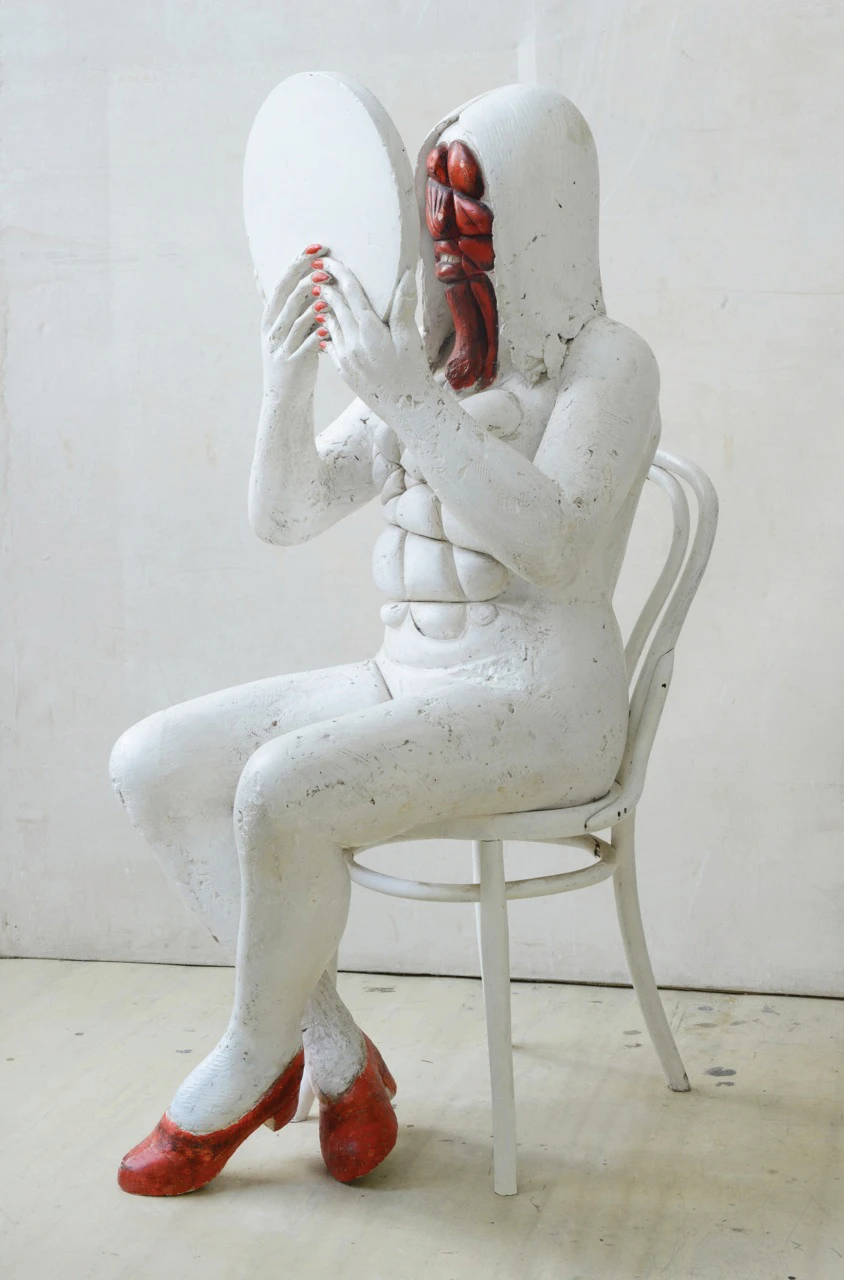
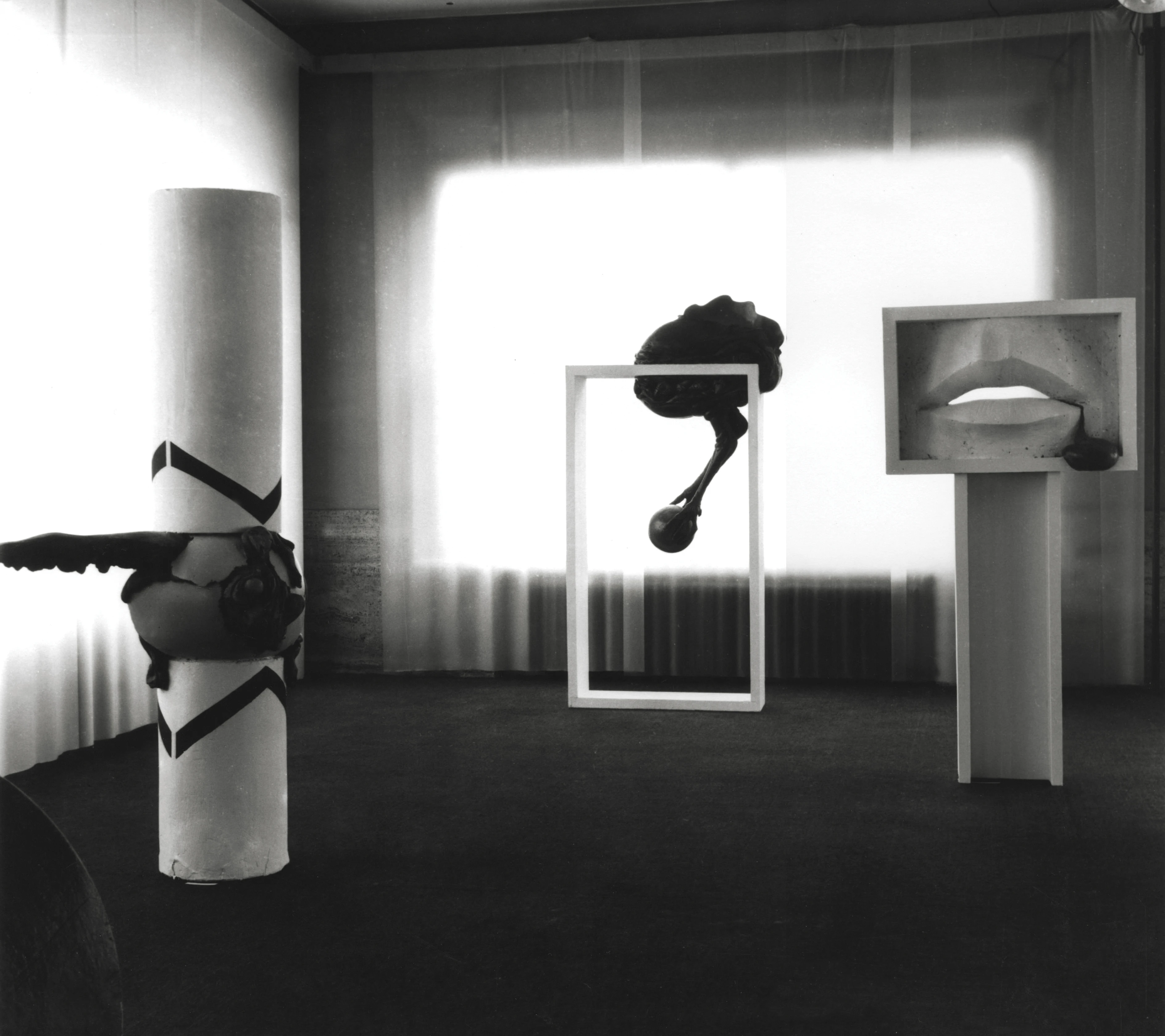
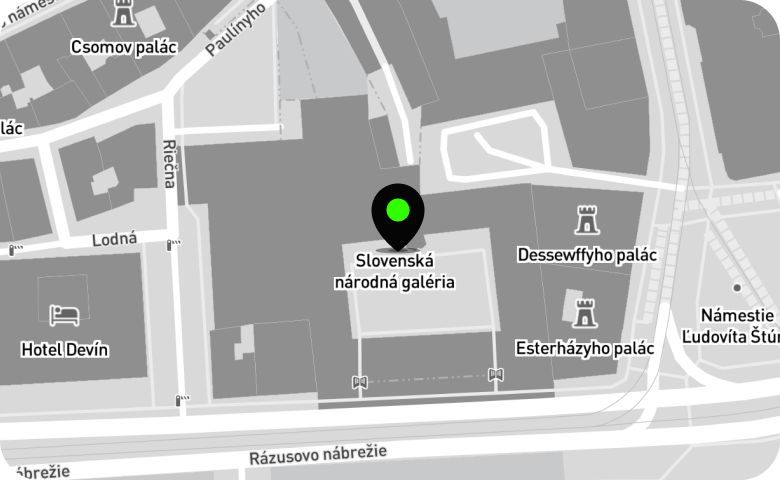
Archival sources confirm that Králik’s name was among the serious contenders for the award, which, despite his high acclaim, was ultimately not granted to him. The legacy of this groundbreaking presentation is also evoked today by the works Before the Mirror (1968) and Self-Portrait – Bad Dream (1968), which the Slovak National Gallery in Bratislava acquired for its collections in 2024. The year 1969 brought Dušan Králik his first solo exhibition at the Cyprián Majerník Gallery, where he presented a series of radical compositions—primarily colored plaster sculptures.
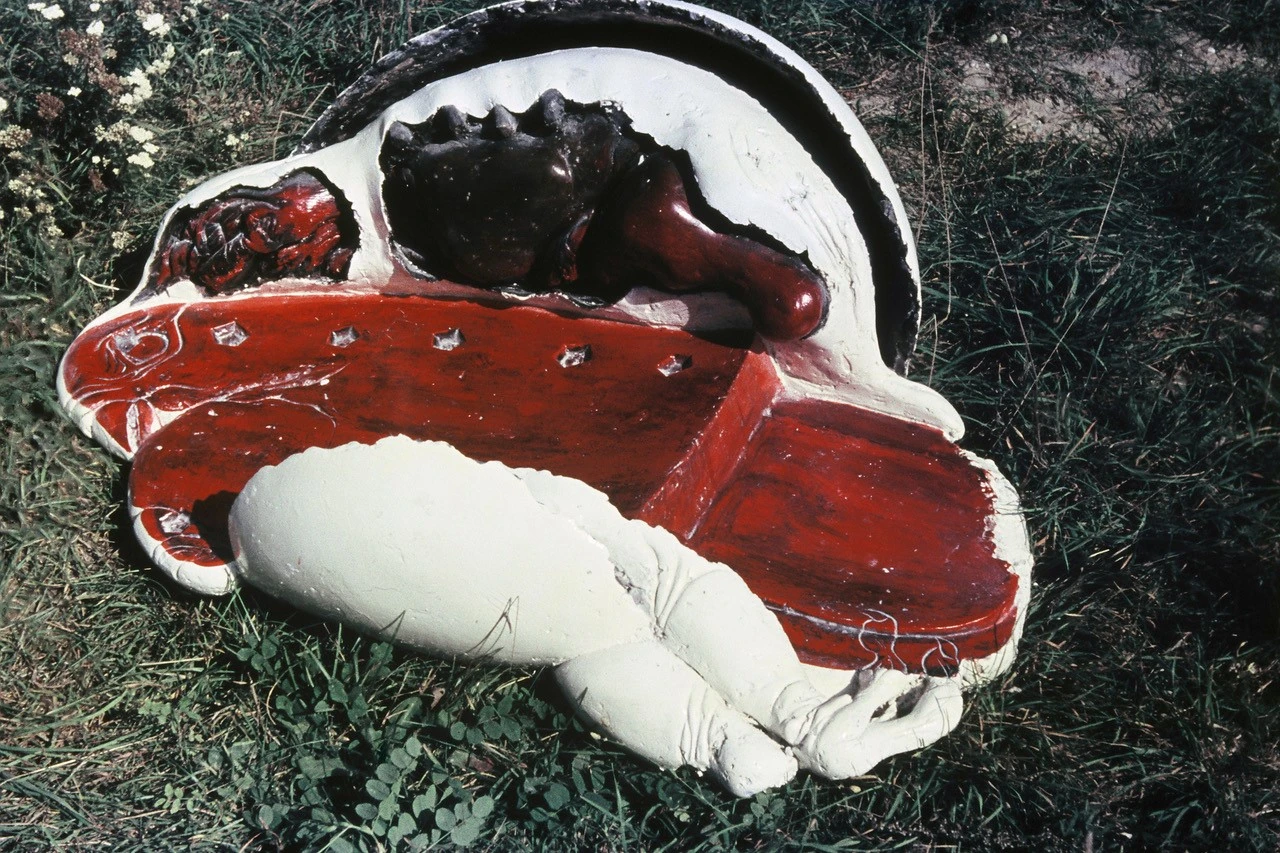
In his iconic work Stupaj (1968), he directly confronted the tragic events of his time—the occupation and the demise of hopes for social reform in Czechoslovakia. However, it was precisely this exhibition that proved fateful: during the Normalization period, he was barred from exhibiting and, along with other artists, was expelled from the Union of Slovak Visual Artists.
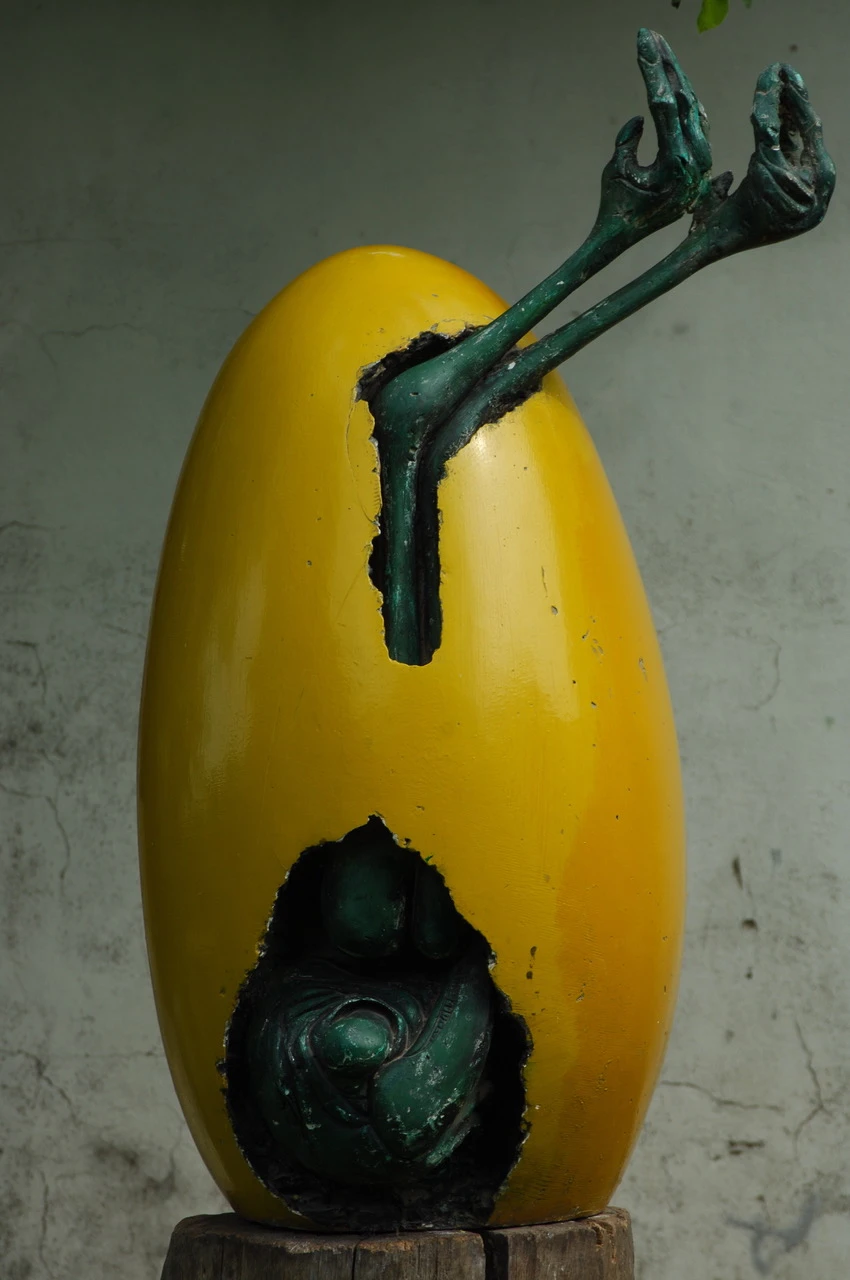
Králik’s early work is characterized by his use of colored plaster, through which—much like Jozef Jankovič in epoxy—he explored the expressive potential of color and new representations of the human form. The colorful accents of the details echo Pop Art, yet at the core of his work we find elements of New Figuration and Neo-Surrealism, deeply rooted in his personal experience and authentic perception of reality.
His sculptural language touches on existential questions—morality, dehumanization, and the loss of humanity. The plaster figures from the late 1960s have a disturbing, even chilling effect: they carry within them tension, fear, and horror, as if emerging from dreams or the dark recesses of the subconscious. Art theorist Juraj Mojžiš aptly described this approach at the time as “the myth of the anxious man.”
Králik found inspiration in the immediate world around him—in everyday life, which conceals deep, often unsettling meanings beneath the surface. He created a series of evocative “ghostly” compositions, balancing between the human and animal principles, of which only fragments remain today. The collections of the Slovak National Gallery now include his drawings, plaques, jewelry, and sculptures from the well-known series Welcome to the Machines (1970s) and Welcome to the Cosmos (1980s).
In addition to his small-scale sculptural works, he also created monumental pieces for architectural projects (Bánovce nad Bebravou; the Telecommunications Building in Žilina; the Aircraft Repair Shop in Banská Bystrica; Department Store, Podunajské Biskupice—many of which have since been destroyed). After 1990, he created several works for sacred interiors (Marianka, Križovany nad Dudváhom, Sereď, and others) and actively participated in sculpture symposia both at home and abroad.
May this anniversary serve not only as a commemoration of Králik’s artistic career, but also as a tribute to an artist who, through his work, was able to articulate the anxieties and truths of his time with urgency and without compromise.