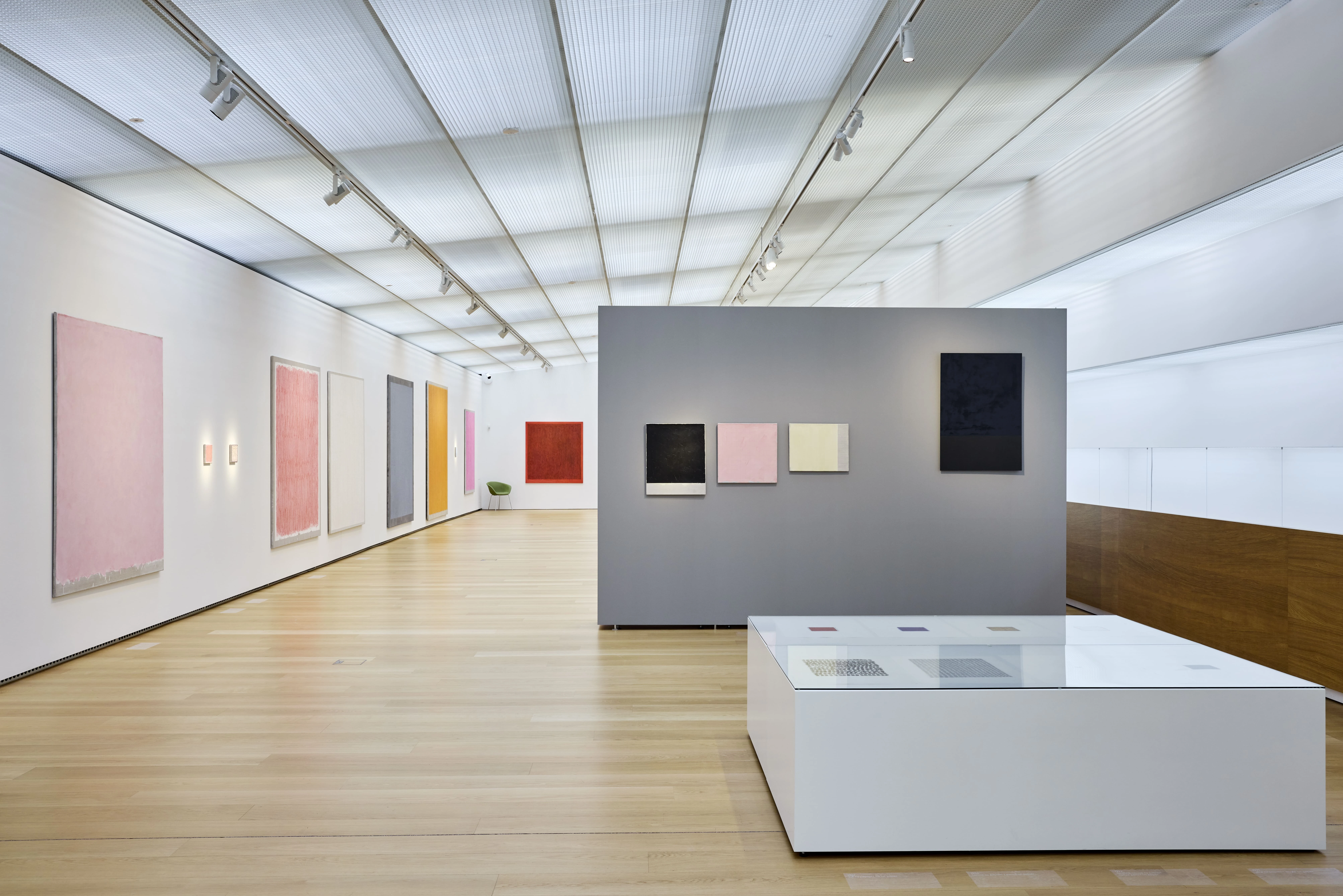
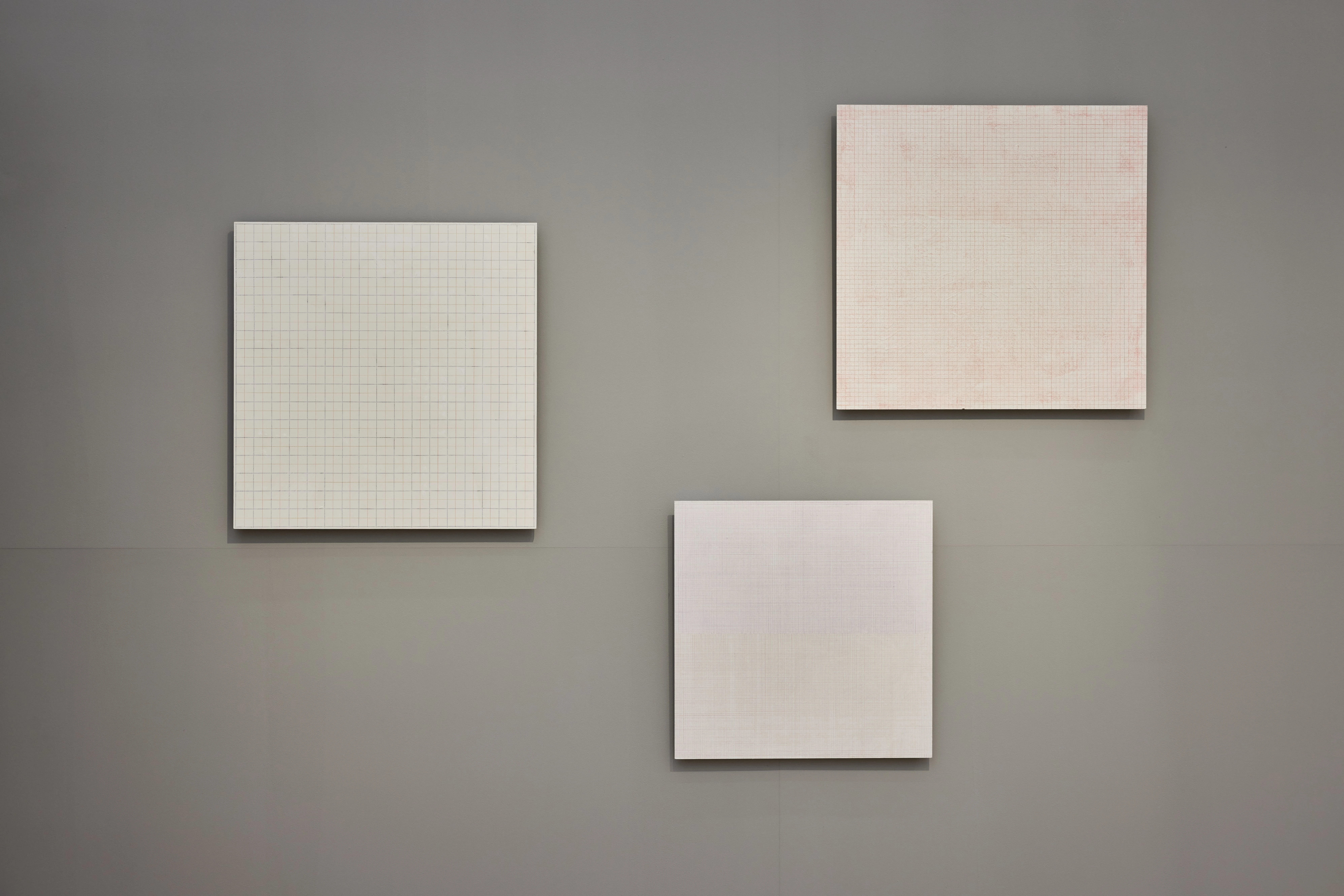
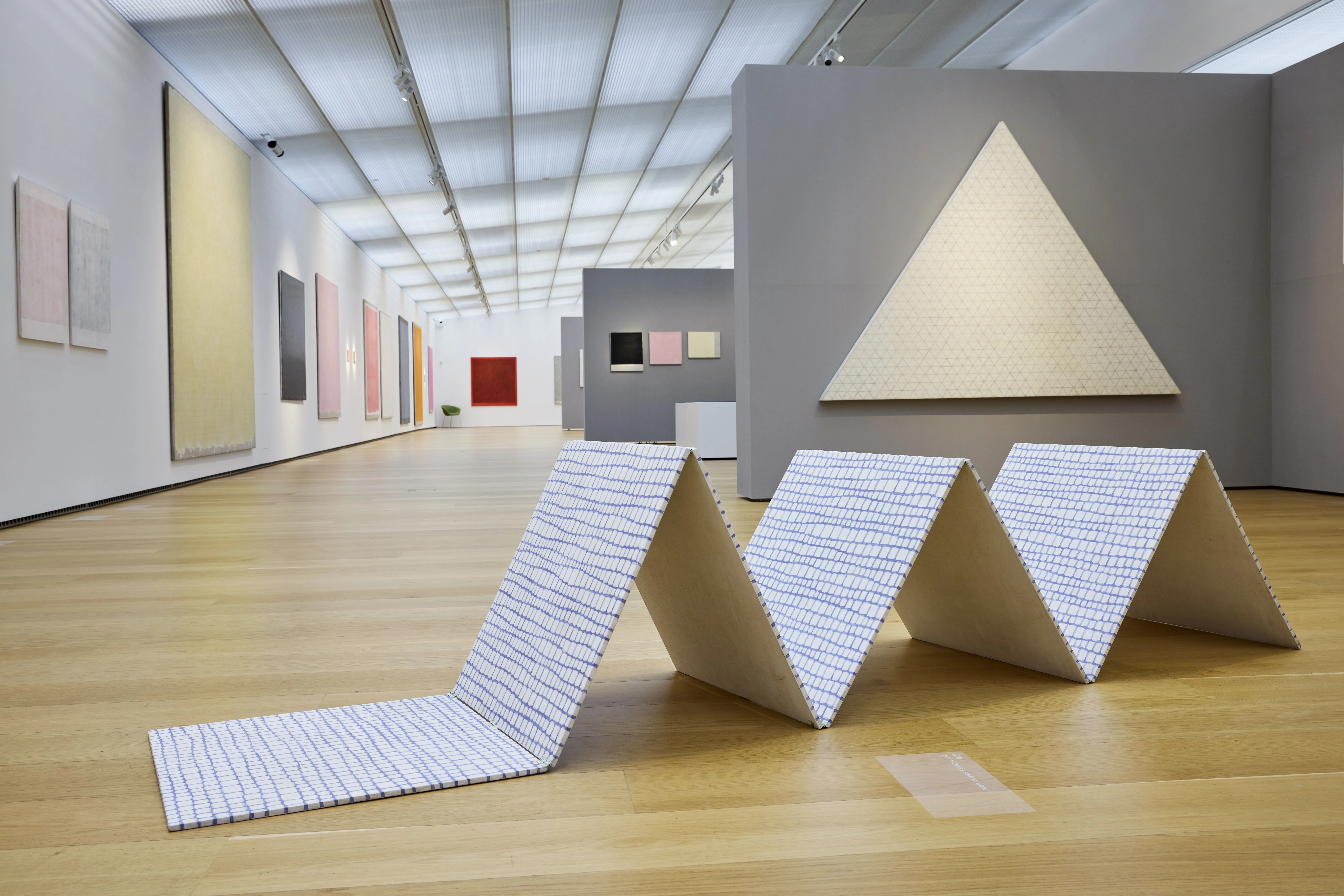
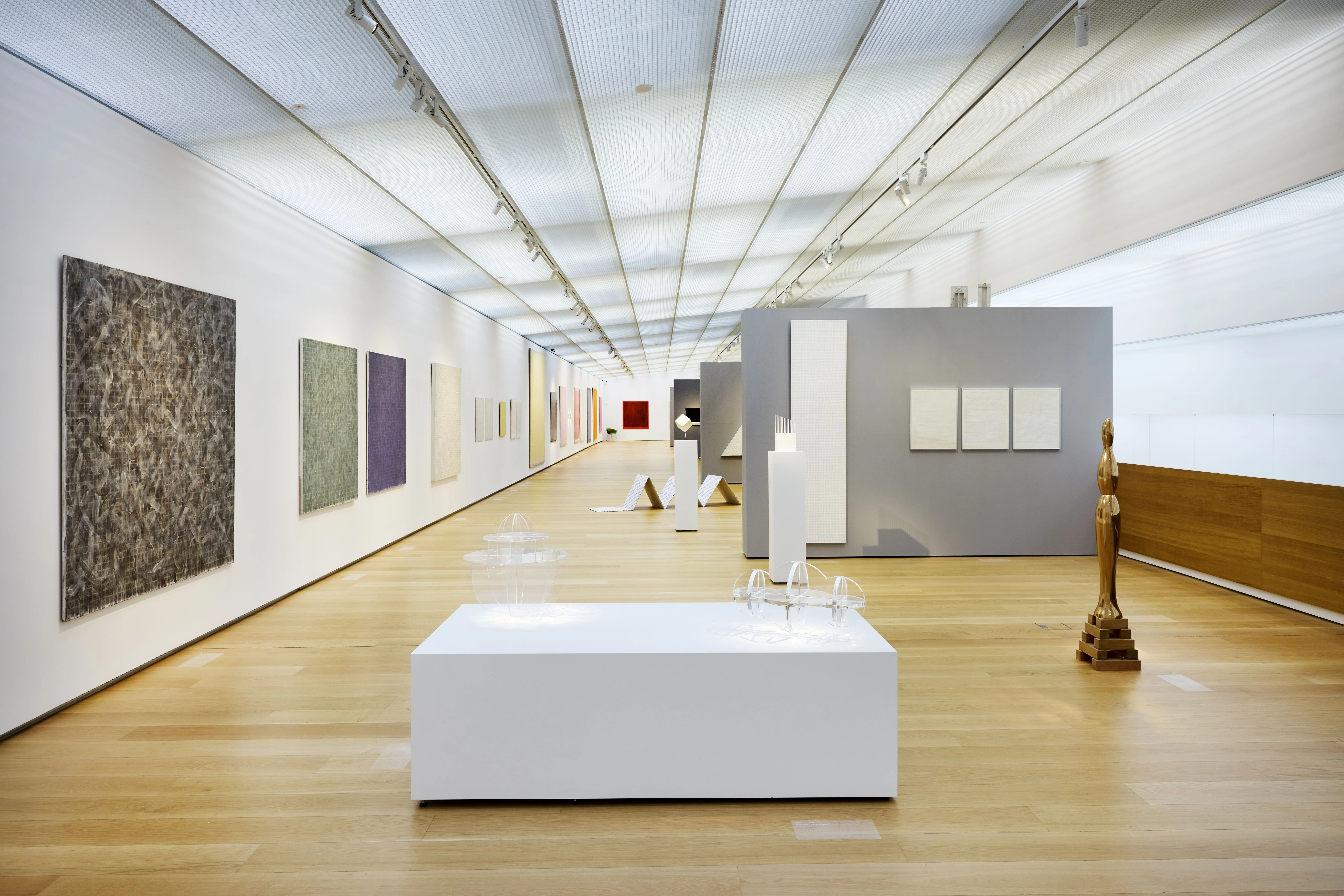
In 1969, the artist relocated from occupied Czechoslovakia to the Netherlands, which proved to be a fortunate choice, if only because of the local art scene, which was not only able to respond very quickly to current minimalist and reductive tendencies but also contributed significantly to them; at the same time, this period marked a unique situation in the operation of the major gallery institutions there. Rajlich soon established himself in the Netherlands with his minimalist work, and a remarkable international career followed, with great acclaim particularly in France and Italy, that is, in the artist's other concurrent places of residence.
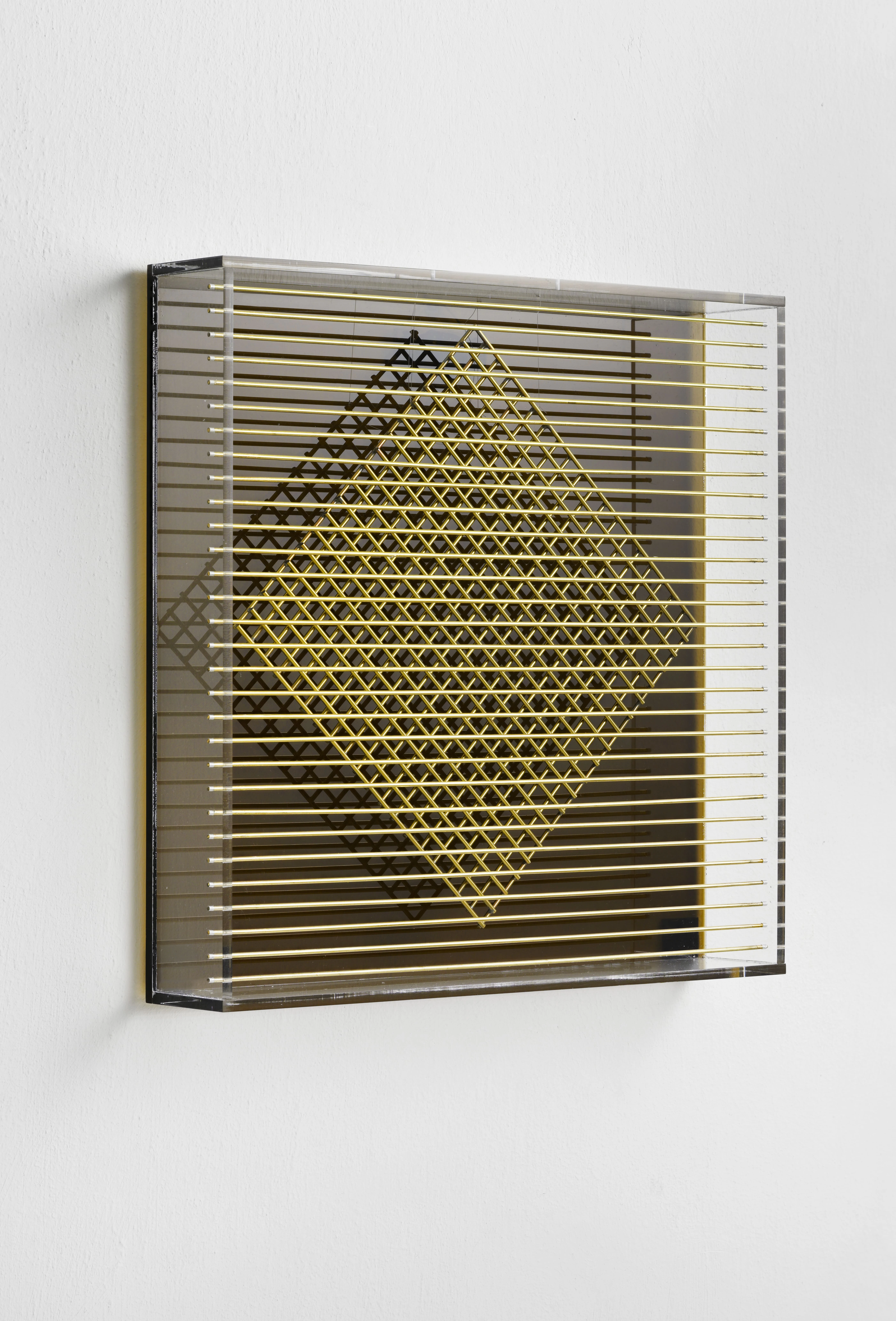
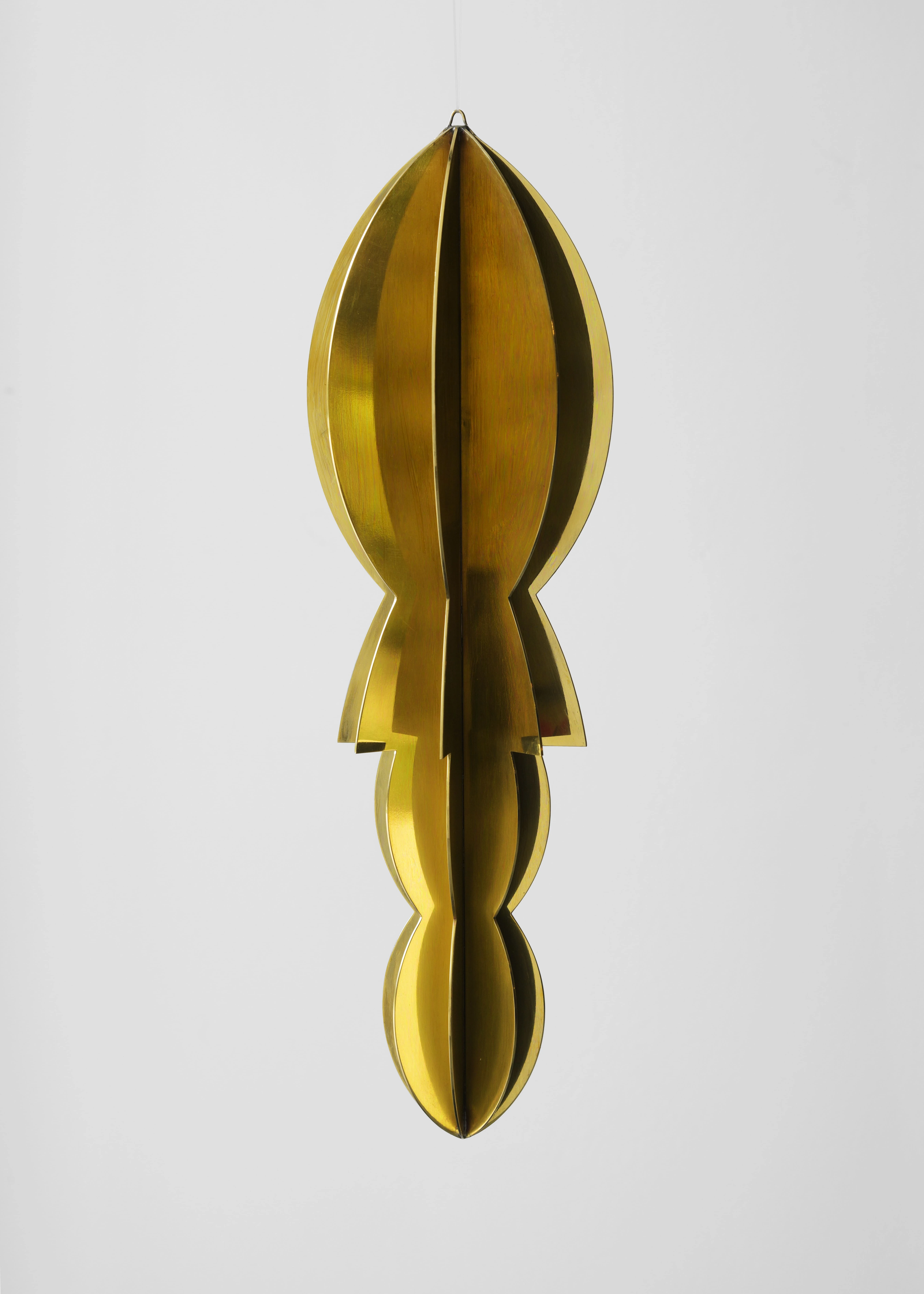
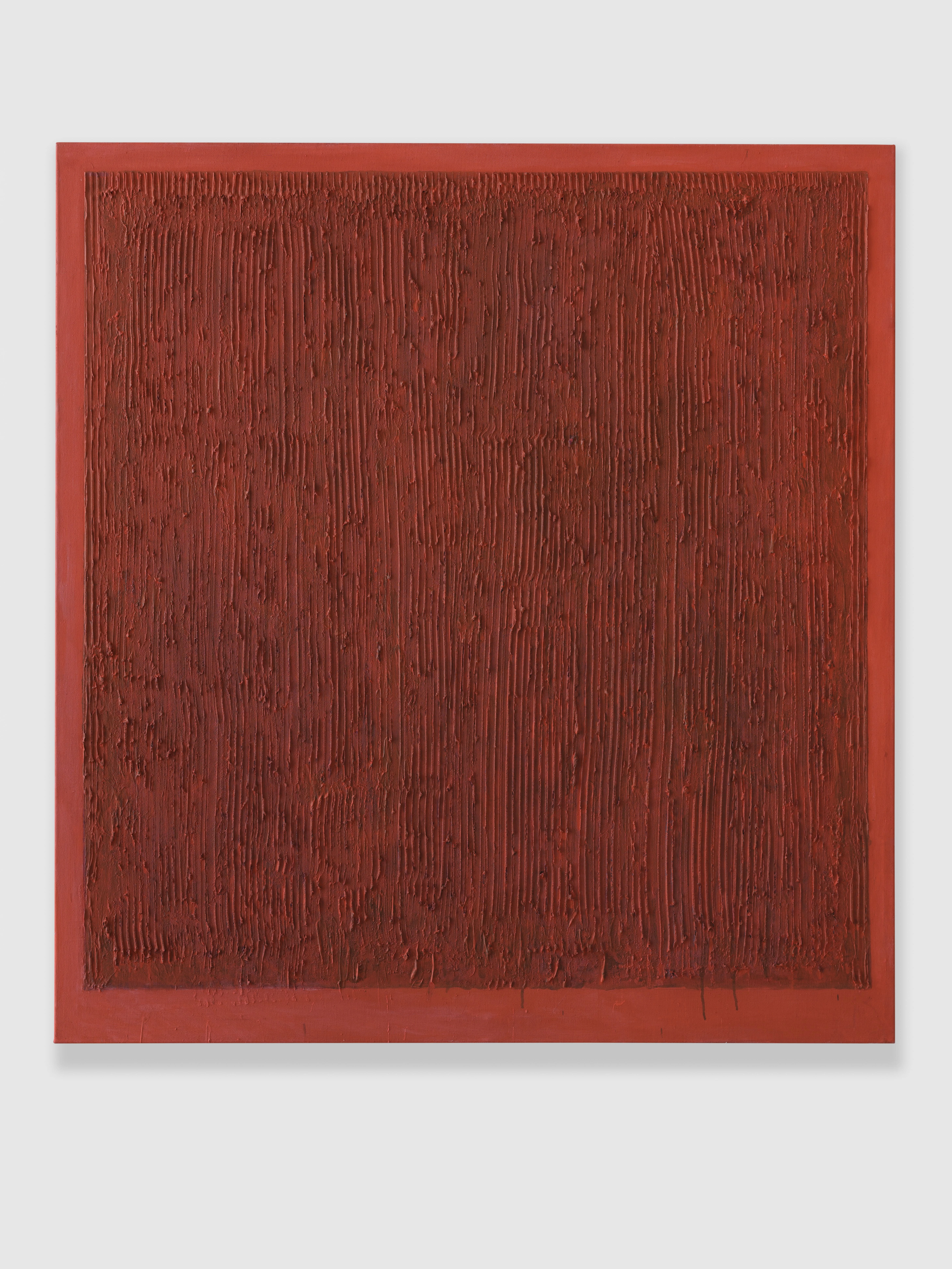
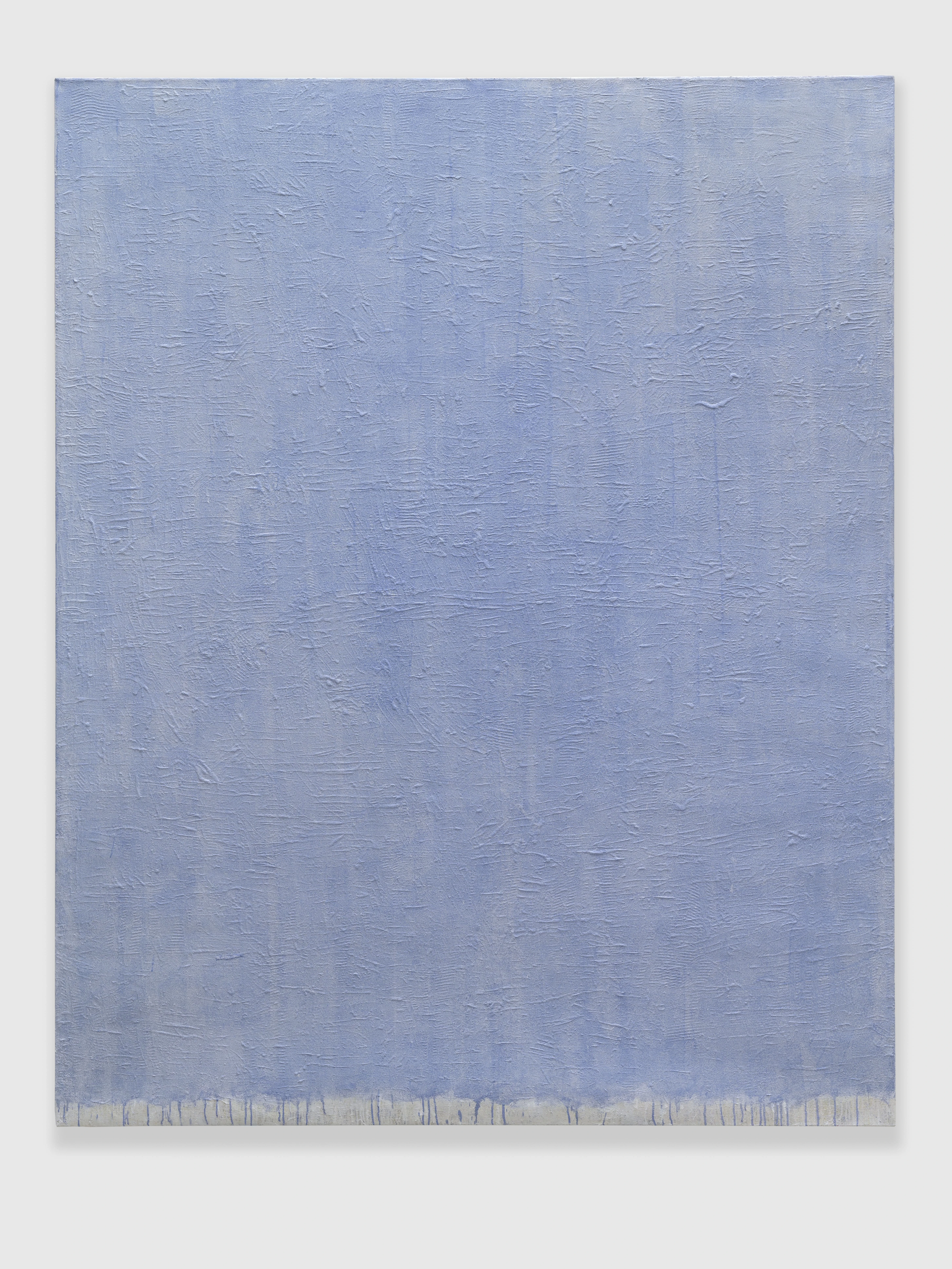
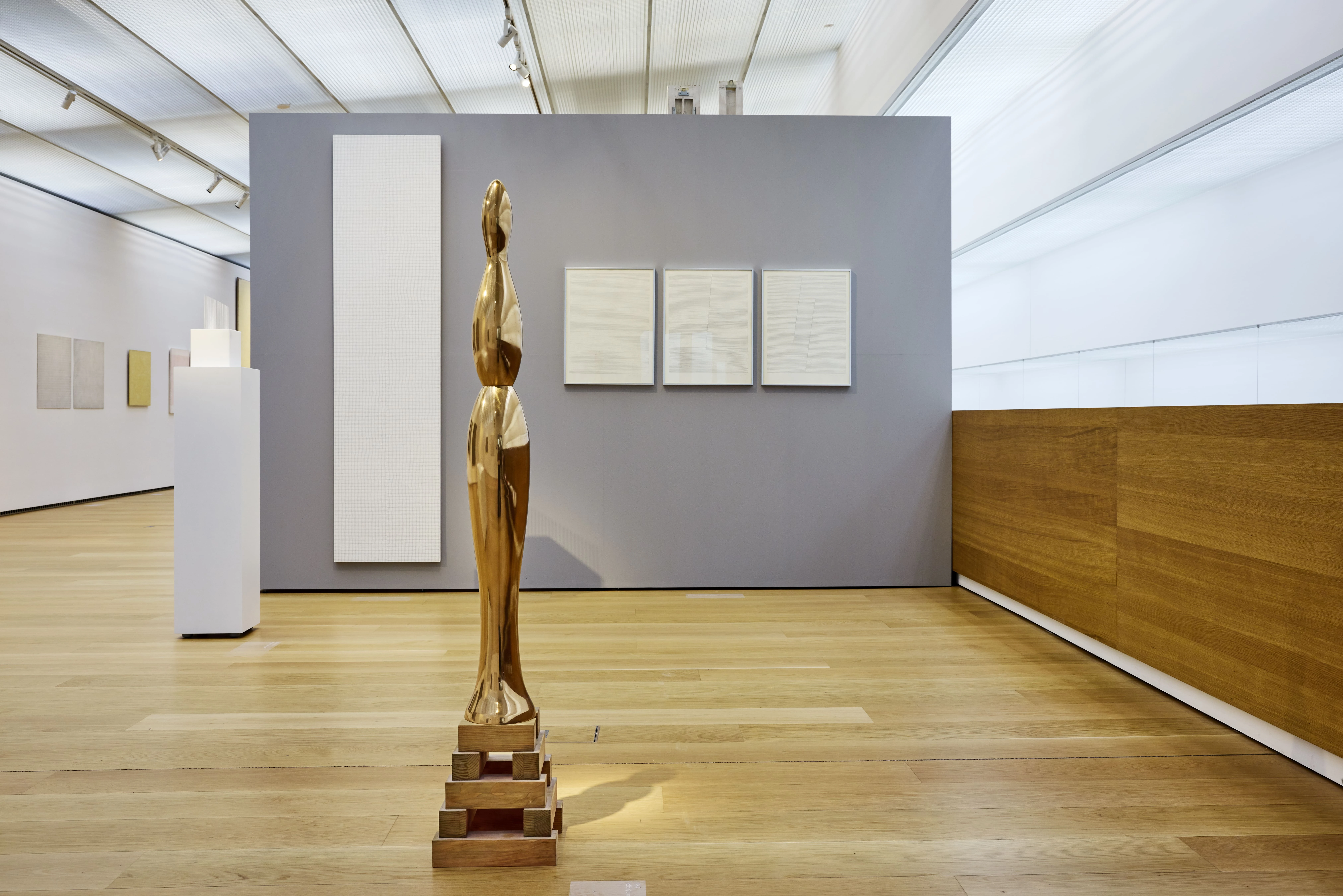
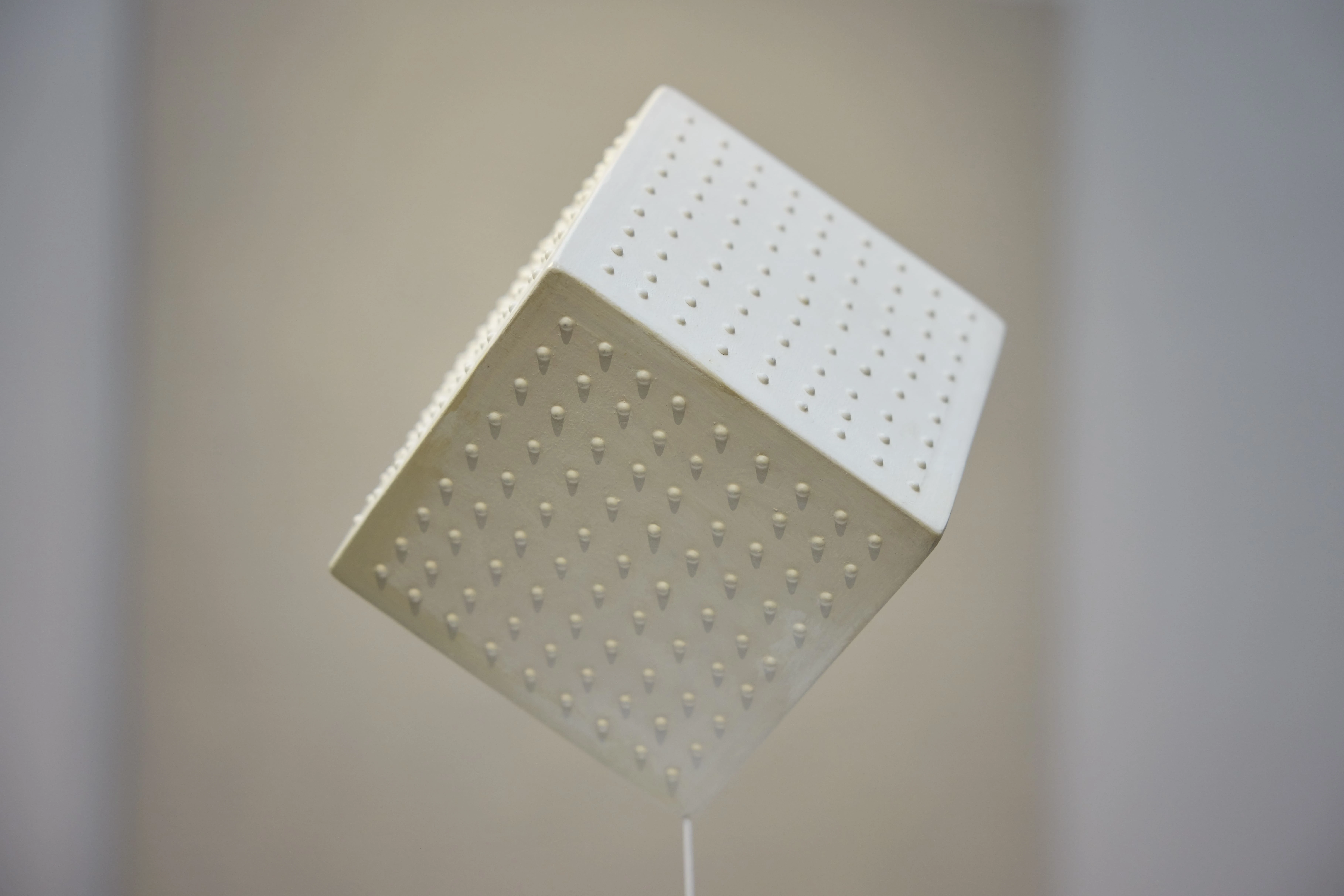
Rajlich's sensibility is defined by variational modules of absolutely monochromatic surfaces, which, however, also work with surface texture and with a greater or lesser reference to geometric structures. These, in their pure form, ultimately constituted Rajlich's starting points at the beginning of the 1970s. The aesthetic radicalism, which refrains from any social or narrative connotations, works exclusively with reference to the artwork and its visual properties. It emphasises the surface of the painting, the painting as such, the format of the painting and its boundaries. The quality and intensity of colour and serial colour arrangements also play an essential role. No less essential, however, is the painterly gesture; all of this combined generates the complexity of Rajlich's painterly work.