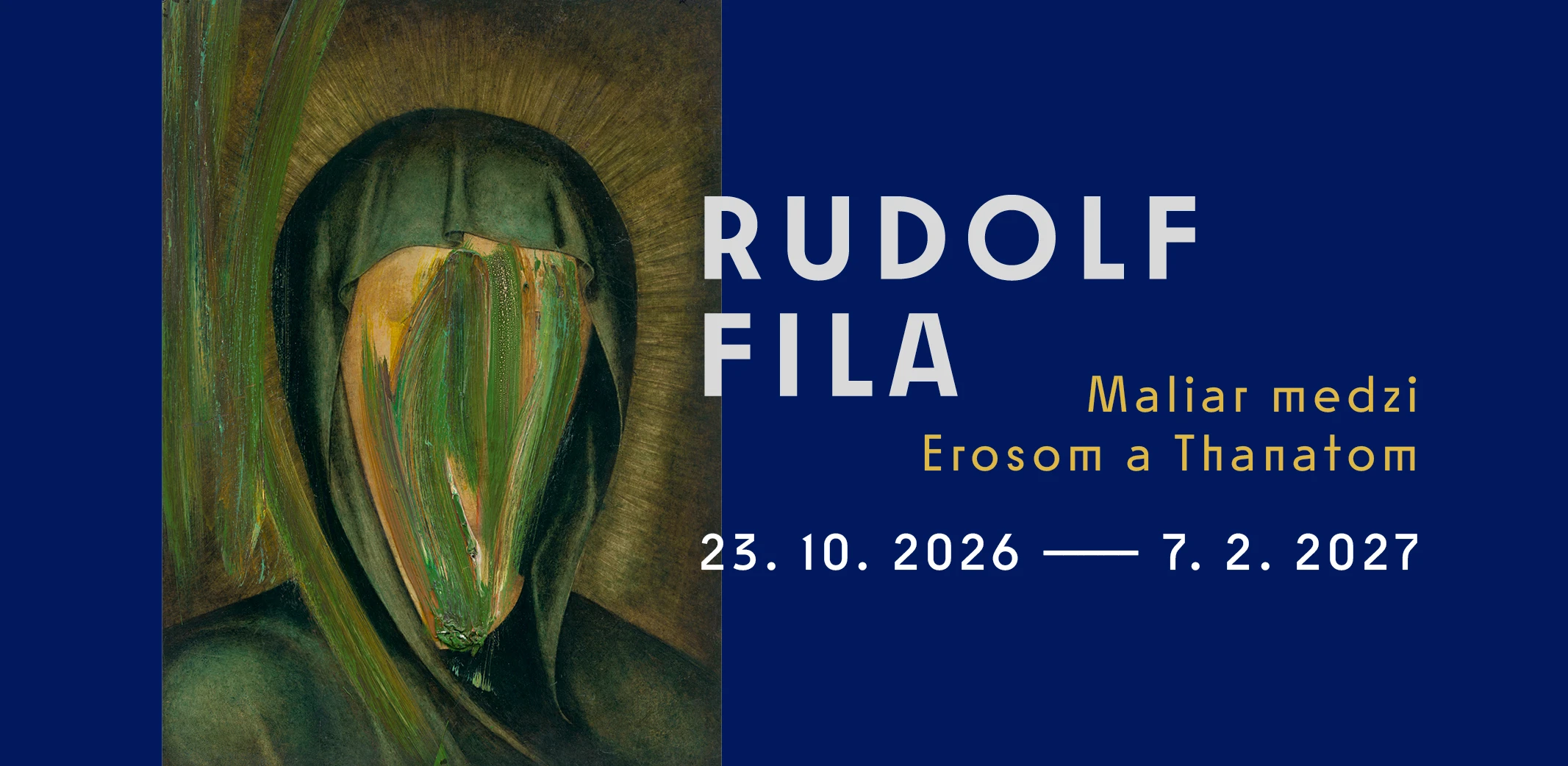
Fila was not only a pioneer of abstract painting and interpretative strategies, but also a respected educator and essayist, whose work represents a fascinating synthesis of intellectual depth and explosive painterly action. The exhibition concept traces the artist’s lifelong struggle for a ‘universal basis of painting’. Visitors pass through the various stages of his transformation:
Early work from the 1960s: inspired by surrealism and art informel, characterised by structural abstraction and the ‘painterly frenzy’ (pinxido), in which nihilistic and destructive gestures predominate.
Peak period of overpainting: Fila developed a unique strategy of ‘painting as commentary’ at this time, entering into dialogue with historical works by masters (Giorgione, Caravaggio, Lotto, and others) and with products of mass culture, thereby challenging the modernist cult of originality.
Late ‘body series’ since the 1980s: the artist focuses on fragments of the human body, where erotic tension is sublimated into a meditative plane, and aggressive gestures are transformed into a thoughtful, almost detached, style.
Fila's painterly cosmology is based on the eternal rivalry between the mythical opposites of Eros and Thanatos – the principles of love and death, creation and destruction. His paintings are not merely visual objects; they are ‘open works’ that require the viewer’s active participation and intellectual engagement. The artist symbolically hands the viewer ‘a match and a box’, and it is up to them to ignite their imagination and attempt to decipher the layers of his coded message.
The exhibition showcases major works from both public and private collections, including iconic assemblages and interpreted books, that affirm Fila’s timeless legacy and his place among the key figures of Central European culture.