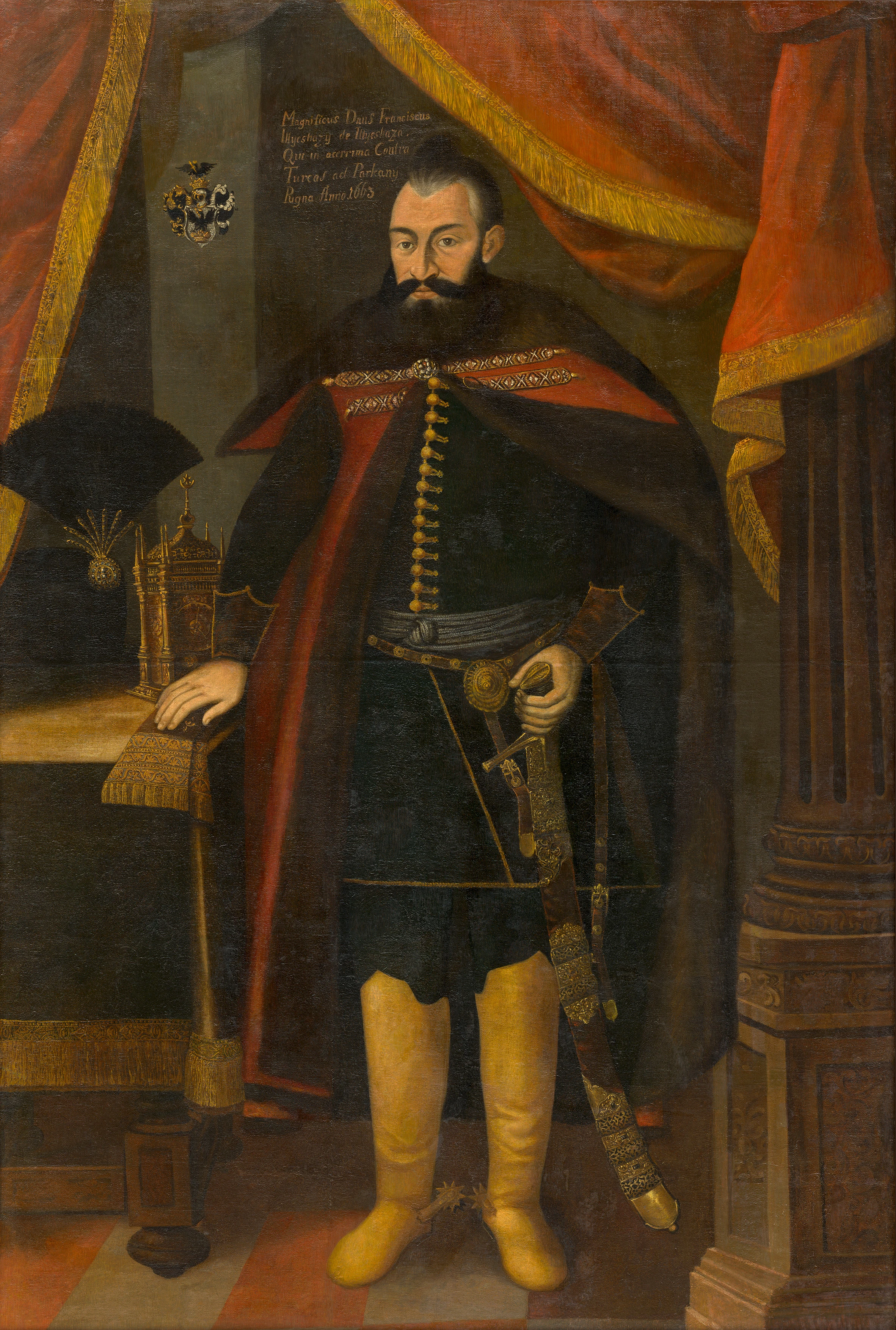
Hungary, standing on the border between the Eastern and Western worlds, developed a unique fashion style that represented the country until the 19th century. It served as a symbol of belonging to the Kingdom of Hungary, and Habsburg monarchs used it for representation and to gain the favor of the Hungarian nobility.
Thanks to the hussar uniform, Hungarian fashion spread across all of Europe, particularly through the Napoleonic Wars. The fashion adopted by Hungarian men from the Ottomans in the 16th century has endured to the present day in traditional folk clothing,embroidery, and ornamentation.
Mgr. Lenka Pajer, PhD. studied costume design at the School of Scenic Artistry in Bratislava. She earned her Master's degree in Art History at the Faculty of Arts, Comenius University in Bratislava. Her Master's thesis was dedicated to the clothing of the Hungarian nobility in the 16th and 17th centuries in Hungary.
She further developed this topic in her doctoral dissertation titled Clothing in the Life of a Hungarian Nobleman, which she defended at the Institute of History of the Slovak Academy of Sciences (SAV) in the Department of Early Modern History. She creates historical costume reconstructions for various purposes. She is a member of the Scientific Council of the Dubnica Museum in Dubnica nad Váhom and actively conducts research on early modern clothing in Hungary.
Unknown painter. Portrait of František Ilešházi. Around 1660. From the collection of the Trenčín Museum in Trenčín.Admission